Call (888) 650-3035
HomeServicesFlue Relining (Stainless Liners)
Free referral · All 17 states

Flue Relining (Stainless Liners) — Done by a Certified Local Pro

Flue relining installs a new stainless steel liner inside an existing chimney, giving the appliance a correctly sized, continuous, code-compliant path to vent. It is the standard fix for damaged clay tiles and unlined flues. One free call to (888) 650-3035 connects you with a certified local chimney pro.

Working the flue interior

How does stainless steel flue relining actually work?

It begins with a camera. Before recommending a liner, the pro scans the flue and documents what is actually there — cracked or shifted clay tiles, missing mortar joints, or bare brick with no liner at all — so you can see the evidence yourself. Then comes sizing, which is the heart of the job: the liner is sized to the appliance it will vent, following the manufacturer's specifications and code tables, not simply to fill the old flue. Alloy matters too. 316-grade stainless handles wood and oil; high-efficiency gas appliances with acidic condensate call for specific alloys rated for it. The liner system should be listed to UL 1777, the safety standard for chimney liners, with matched components throughout.

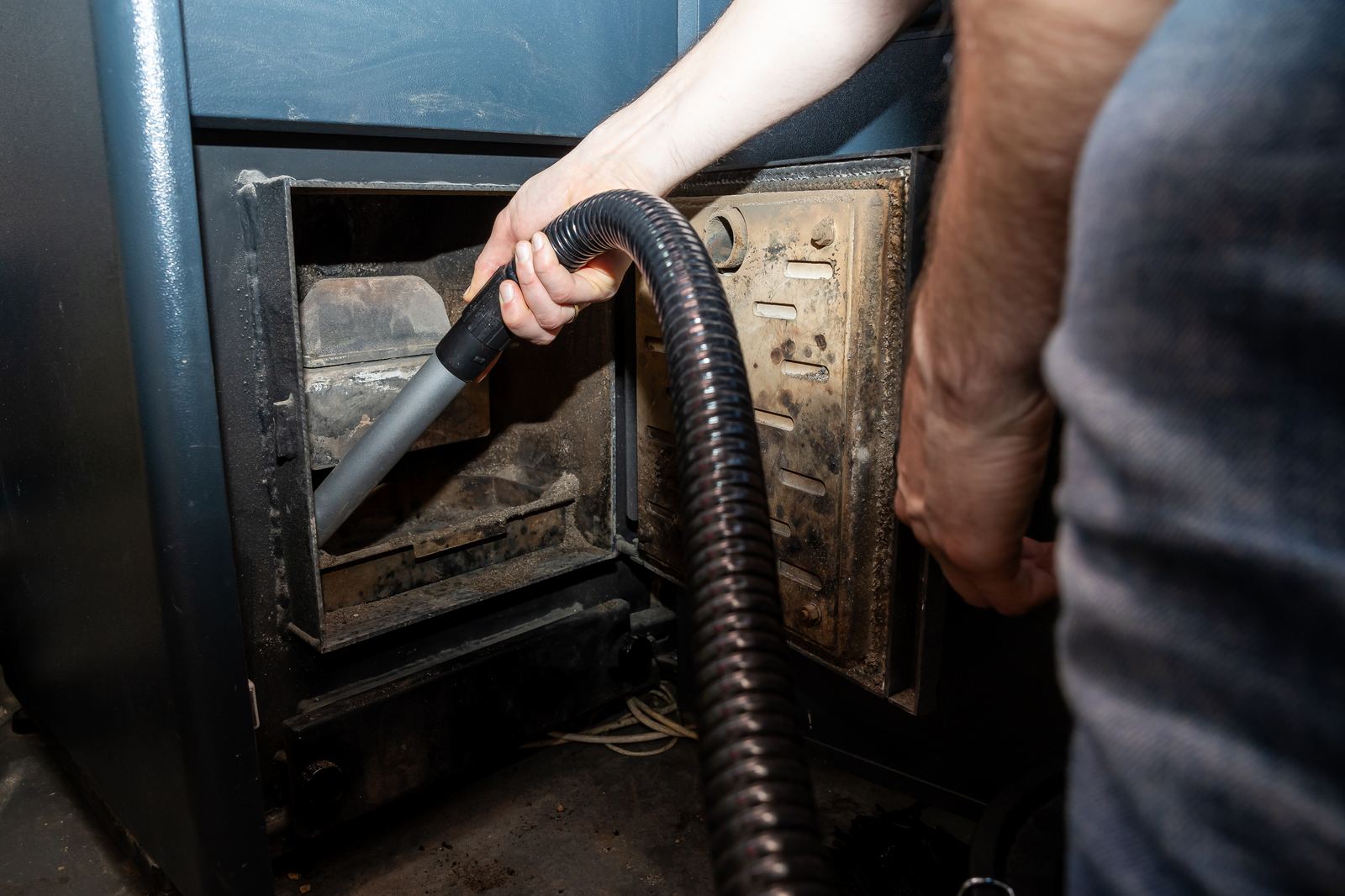
Installation day starts with a thorough sweep, since the liner goes into a clean flue. The liner — flexible or rigid stainless, usually wrapped in insulation to keep flue gases warm for good draft and to maintain the system's listing — is lowered from the top of the chimney. If the old flue is too tight, the pro may break out the damaged clay tiles first to make room for an insulated liner. At the bottom, a listed tee or connector joins the appliance; at the top, a plate seals the flue and a new cap goes on. Expect before-and-after camera footage or photos, the component listing paperwork, a permit where your jurisdiction requires one, and the manufacturer's warranty registered in your name.

When does a chimney actually need relining?

There are a few clear cases. An unlined flue serving any appliance needs a liner; so does one where camera footage shows cracked, shifted, or gapped clay tiles that can no longer contain flue gases. A change of equipment is the case people miss: installing a wood insert, or replacing a furnace and leaving the water heater venting alone into a flue sized for two appliances, routinely creates a mismatch that relining corrects. Evidence of a past chimney fire found during inspection also points here. What does not justify relining is intact, properly sized clay tile in good condition — clay liners serve for decades. The dividing line is documentation: ask to see the camera footage and have the pro point to the specific defect, tile by tile, before you commit.

How this goes wrong — including the upsell to watch for

A liner sized to the hole, not the appliance

The easiest mistake is choosing liner diameter by what slides down the flue rather than what the appliance requires. Oversized liners let flue gases cool and slow, causing condensation, poor draft, and faster creosote buildup in wood systems; undersized liners choke the appliance. Correct sizing comes from the appliance manufacturer's venting specifications and code tables. Ask what size is being installed and how it was determined — the answer should reference your specific appliance.

Mixed parts and skipped insulation

A liner is a listed system — the liner, tee, top plate, and cap are tested together to UL 1777, and insulation is often part of what earned that listing. Swapping in off-brand components or skipping the insulation wrap to save labor can void the listing and the warranty, and uninsulated liners in exterior chimneys draft poorly and condense more. Ask whether the installation maintains the system's listing exactly as tested, and get the answer in the paperwork.

Condemned without evidence

Relining is one of the bigger jobs in chimney work, which makes 'your tiles are shot' a tempting verdict to deliver quickly. Cracked tiles are a real and legitimate reason to reline — but the claim should be demonstrated, not asserted. Insist on camera footage showing the specific defects, ask the pro to point them out on screen, and keep a copy. If the evidence is vague or the footage is withheld, a second inspection is a fair and normal next step.

Call promptly if you see these

!Pieces of clay tile or gritty flakes collecting in the firebox or on the smoke shelf.!An inspection or camera scan documenting cracked, shifted, or missing flue tiles.!Evidence of a past chimney fire, such as puffy or honeycomb-textured creosote.!A new insert, stove, or furnace connected to an old flue that was never resized.!Smoke or flue odor showing up in rooms away from the fireplace while burning.

These are call-a-professional signs, not panic signs. Stop using the fireplace until it's been looked at, and describe what you're seeing when you call.

Flue Relining (Stainless Liners): the questions that matter

How long does a stainless steel liner last?

With the right alloy for the fuel and normal maintenance, a quality stainless liner is typically a permanent fix — many manufacturers back their heavy-gauge liners with lifetime warranties, conditioned on listed installation and regular sweeping. The warranty paperwork matters: register it, keep your inspection records, and the liner should outlast most other parts of the system. The pro can walk you through the specific brand's terms.

Do gas appliances really need chimney liners too?

Yes, and it is one of the most overlooked cases. Gas exhaust is wet and mildly acidic, and it quietly eats mortar joints in old masonry flues. The classic scenario is a replaced furnace that leaves the water heater venting alone into a flue far too large for it, which causes condensation inside the chimney. A correctly sized liner solves the mismatch.

Are there relining methods besides stainless steel?

Stainless liners are the most common approach, but not the only one. Cast-in-place liners pour a new cement flue inside the old chimney and can add structural stability; individual clay tiles can sometimes be replaced when damage is isolated and accessible. Which method fits depends on the flue's condition, shape, and what it vents — a judgment the pro makes after a camera scan, not over the phone.

Can I keep using my fireplace before the relining is done?

That depends on what the inspection found, and it is a question for the pro who actually looked at your flue rather than for anyone working sight-unseen. Some defects are wait-and-schedule; others mean the flue should rest until the liner is in. Ask the inspector directly for a written go or no-go, and if the answer is no, ask them to show you the finding behind it.

Is there flue relining (stainless liners) near me?

Yes — call (888) 650-3035 and ChimneyBeacon connects you with an independent certified chimney professional handling flue relining (stainless liners) in your area. The referral is free; the local pro schedules and prices the work directly with you.

What does flue relining (stainless liners) cost?

Honest answer: it depends on what a professional actually finds — access, condition, materials, and scope move every quote. Any firm number invented before someone has seen your chimney is marketing, not pricing. The certified pro quotes after looking, in writing, and our referral adds nothing to it.

Is cheap flue relining (stainless liners) worth it?

Sometimes a low quote is a lean, honest operator — and sometimes it's a teaser that grows an 'emergency' once the crew is on your roof. Judge the quote by what it documents, not what it totals: photos, scope, and materials in writing beat a low number with none of the three.

Is the professional certified and insured?

The pros in our network are independent businesses, and the credentials — CSIA certification, insurance, licensing where applicable — are theirs. Ask directly; good pros expect it and answer without flinching. Our CSIA guide explains exactly what the certification covers and why it matters.

Need flue relining (stainless liners)?

One free call connects you with an independent certified chimney professional in your area.

Call (888) 650-3035 — Free Referral
📞 Call a Chimney Pro — (888) 650-3035