Call (888) 650-3035
HomeServicesChimney Leak Repair
Free referral · All 17 states

Chimney Leak Repair — Done by a Certified Local Pro

Chimney leaks rarely come from one obvious spot — water finds its way in through the cap, the crown, the flashing, or the masonry itself, and the stain indoors is often far from the entry point. One free call to (888) 650-3035 connects you with an independent certified chimney pro who diagnoses the source and repairs it.

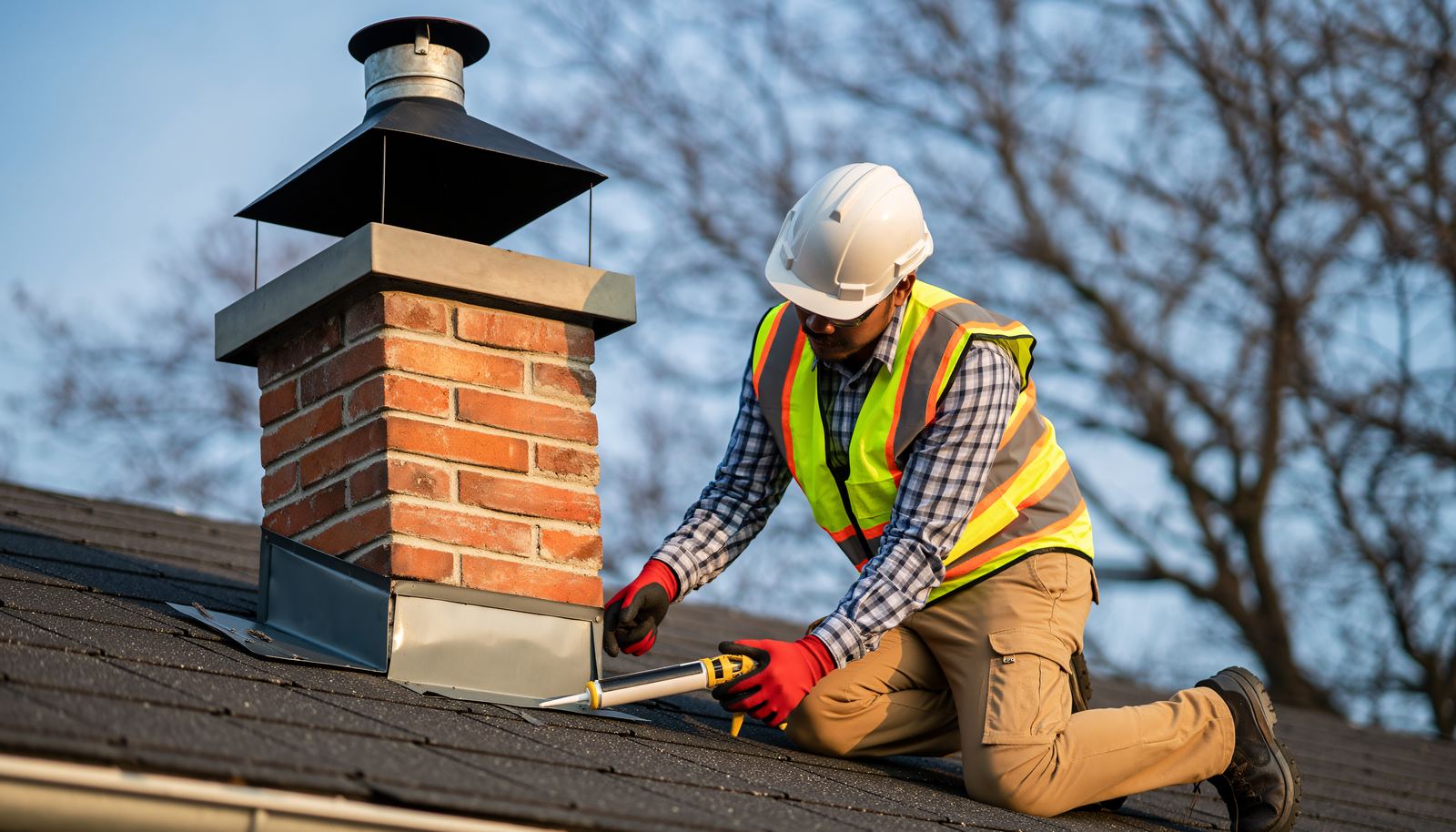
Sealing the water path at the flashing

How do pros actually track down and fix a chimney leak?

Diagnosis works top-down, by elimination. The pro checks whether a cap is present, intact, and properly sized; examines the crown for cracks and deteriorated edges; inspects the flashing where chimney meets roof, looking at how the metal is layered and whether the seals have failed; and evaluates the masonry itself — brick and mortar that have gone porous can drink in rain and weep it out indoors a day later. Expect roof access, a look inside the attic where the chimney passes through, and a controlled water test: running a hose on one component at a time while watching indoors, which isolates the true entry point instead of guessing. Photos of what's found up top should be part of the visit, since you can't verify roof conditions from the lawn.

The repair then matches the diagnosis. A missing or damaged cap gets replaced. Crown cracks get a flexible waterproof crown coating, or a rebuilt crown if the damage runs deep. Failed flashing gets resealed or replaced with properly layered metal. Porous masonry gets a breathable, vapor-permeable water repellent — a critical detail, because a non-breathable film traps moisture inside the brick where freeze-thaw cycles destroy it from within. Interior staining gets addressed only after the source is fixed, or it simply returns. Your documentation should show the entry point before repair, the completed work after, and name the materials used, so a future pro can see exactly what was done and when.

How do you know which fix your leak actually needs?

Match the evidence to the component. Water dripping straight down into the firebox during rain points toward a missing or failed cap. Stains on the ceiling ringing the chimney point toward flashing. Damp masonry, white efflorescence blooms, or moisture that shows up a day after the rain stops point toward saturated brick or a cracked crown. The honest framework: don't pay for a fix until someone shows you the entry point — a photo, a water-test result, something concrete — because a diagnosis made without roof access is a guess. Know also that chimneys can leak from more than one place at once, so a repair that clearly helped but didn't fully finish the job may have been correct and incomplete rather than wrong. Ask which components were ruled out, and how.

How this goes wrong — including the upsell to watch for

The non-breathable sealer

Coating leaky masonry in a film-forming waterproof paint feels intuitive and backfires badly. Brick needs to release the moisture already inside it; a non-breathable film traps that moisture, and in freeze-thaw climates the trapped water expands and pops the brick faces off from within — turning a leak into structural masonry damage. The right product is a vapor-permeable water repellent applied to sound, repaired masonry. Ask specifically whether what's being sprayed is breathable, and get the product name in writing.

Fixing the wrong component

Flashing gets blamed for a lot of leaks that actually start at the crown or in saturated brick, because flashing is the famous culprit. The result: new flashing, same leak, second bill. This is what water testing and photo documentation are for — isolating components one at a time before anyone sells a repair. If a pro names the source without having been on the roof or shown you evidence, you're being offered a hypothesis at repair prices.

The saturation scare

The escalation pitch: 'this whole chimney is waterlogged — it needs a rebuild,' delivered for a leak that a cap and a crown repair would resolve. Severe long-term saturation genuinely can ruin masonry, which is why the claim demands evidence — moisture readings, photos of spalled brick, a documented water test — rather than urgency. The tell is a diagnosis that skips straight past the inexpensive, common causes to the most drastic remedy. Sequence the fixes from the top down and verify.

Call promptly if you see these

!Water is actively dripping into the firebox or onto the smoke shelf during rain.!A ceiling or wall stain near the chimney is visibly spreading after storms.!A musty odor comes from the fireplace after rain.!Paint is peeling or drywall is bubbling on the chimney breast.!White powdery deposits (efflorescence) are blooming on interior chimney brick.

These are call-a-professional signs, not panic signs. Stop using the fireplace until it's been looked at, and describe what you're seeing when you call.

Chimney Leak Repair: the questions that matter

Why does the water stain show up nowhere near the chimney?

Water travels. It can enter at the flashing or crown, run down the flue exterior or along rafters and framing, and finally drop onto a ceiling several feet from the chimney itself. That's why leaks get misdiagnosed as roof problems and vice versa, and why a proper diagnosis traces the water path from inside the attic rather than assuming the entry point sits directly above the stain.

Why does my chimney only leak during wind-driven rain?

Orientation matters. Rain falling straight down mostly sheds off the cap and crown, but wind pushes water sideways into surfaces that gravity normally protects — the exposed face of porous brick, the seams of flashing, the gap under a cap. A leak that appears only when storms blow from one direction is a genuine diagnostic clue, so tell the pro exactly which weather triggers it. It narrows the search considerably.

Could it be condensation instead of a leak?

Yes, especially with gas appliances. Gas exhaust carries significant water vapor, and if it's venting through an oversized or unlined flue, the vapor cools and condenses on the flue walls before it exits — soaking masonry from the inside and mimicking a rain leak. A clue: moisture that appears when the appliance runs rather than when it rains. The fix is usually a correctly sized liner, which is a different repair entirely.

Do masonry water repellents actually work?

Good ones do a real job when used correctly — that means a breathable, vapor-permeable repellent applied to masonry that's already been repaired, not sprayed over open cracks and failed joints as a substitute for repair. Repellent is the finish coat of a leak fix, not the fix itself. It also weathers over time and eventually needs reapplication, so ask what product is used and what lifespan to expect in your climate.

Is there chimney leak repair near me?

Yes — call (888) 650-3035 and ChimneyBeacon connects you with an independent certified chimney professional handling chimney leak repair in your area. The referral is free; the local pro schedules and prices the work directly with you.

What does chimney leak repair cost?

Honest answer: it depends on what a professional actually finds — access, condition, materials, and scope move every quote. Any firm number invented before someone has seen your chimney is marketing, not pricing. The certified pro quotes after looking, in writing, and our referral adds nothing to it.

Is cheap chimney leak repair worth it?

Sometimes a low quote is a lean, honest operator — and sometimes it's a teaser that grows an 'emergency' once the crew is on your roof. Judge the quote by what it documents, not what it totals: photos, scope, and materials in writing beat a low number with none of the three.

Is the professional certified and insured?

The pros in our network are independent businesses, and the credentials — CSIA certification, insurance, licensing where applicable — are theirs. Ask directly; good pros expect it and answer without flinching. Our CSIA guide explains exactly what the certification covers and why it matters.

Need chimney leak repair?

One free call connects you with an independent certified chimney professional in your area.

Call (888) 650-3035 — Free Referral
📞 Call a Chimney Pro — (888) 650-3035