Call (888) 650-3035
HomeServicesFirebox Repair
Free referral · All 17 states

Firebox Repair — Done by a Certified Local Pro

Firebox repair addresses cracked firebrick, crumbling refractory mortar joints, and damaged prefab panels in the chamber where the fire actually burns. Fixes range from repointing joints to replacing brick or panels outright. One free call to (888) 650-3035 connects you with an independent CSIA-certified chimney professional who can inspect yours in person.

The firebox takes the direct heat

What does a firebox repair actually involve?

First comes an inspection to sort out what kind of firebox you have. A masonry firebox is built from firebrick laid in thin joints of refractory mortar; a factory-built (prefab) fireplace uses molded refractory panels inside a metal shell. For masonry, the technician rakes out failed joints and repoints them with refractory mortar rated for direct flame contact, and cuts out and replaces individual firebrick that have cracked through or spalled. If the floor or back wall has deteriorated broadly, that section is torn out and relaid brick by brick. The work happens from inside the room, is dusty but well contained, and the existing hearth and surround normally stay in place.

Prefab fireboxes are handled differently: cracked or crumbling refractory panels are lifted out and replaced with panels made for that manufacturer and model, because the panels are what protect the metal shell from direct heat. In both cases the pro also checks the parts the firebox connects to — lintel, damper, smoke chamber — since damage rarely stops at a neat boundary. New refractory mortar and replacement panels need time to cure before the first fire, and a careful technician will tell you exactly how long to wait for the product used, and will usually recommend a few small break-in fires rather than a roaring first burn.

When is a cracked firebox a repair, and when is it a rebuild?

The honest line runs along depth, movement, and extent. Thin surface crazing in prefab panels and hairline shrinkage cracks in mortar joints are common and often just need watching. Cracks deep enough to expose the metal shell behind a prefab panel, joints eroded into open gaps, or firebrick that is loose or shifting call for real repair. When deterioration covers most of the firebox, or the walls have moved because something behind them has failed, patching stops making sense and rebuilding the firebox is the straight answer. Nobody can make that call over the phone — it takes an in-person look. A good pro photographs what they find, shows you which category your damage falls into, and explains why the recommended fix matches the evidence rather than the biggest option on the menu.

How this goes wrong — including the upsell to watch for

Ordinary mortar where refractory belongs

Firebox joints live in direct flame, and only refractory mortar is made for that. Patch jobs done with standard masonry mortar or hardware-store patching products may look tidy for a season, then crack, shrink, or fall out under heat cycling. Ask specifically what material will go into the joints and whether it is rated for firebox use — the answer should be immediate and unambiguous, and it should be in the written scope.

Patching over movement

If a firebox back wall is bowing, or bricks keep loosening in the same spot, something behind the wall — settled fill, water damage, or shifting structure — is driving it. Repointing those joints again and again treats the symptom. A careful technician investigates why the same repair keeps failing before repeating it, and tells you plainly when the honest fix is opening up and rebuilding that section instead of skimming over it once more.

Every craze line becomes a crisis

Prefab panels almost always develop fine surface crazing, and hairline shrinkage cracks in masonry joints are routine. A high-pressure pitch treats all of them as emergencies requiring same-day replacement. The genuine red flags are specific: cracks wide enough to expose the metal shell behind a panel, open gaps in joints, or material actively crumbling. Ask which category your cracks fall into, and ask to see them photographed up close before agreeing to anything.

Call promptly if you see these

!A crack in a prefab panel wide enough to glimpse the metal shell behind it.!Firebrick that is loose, shifting, or has fallen out of the wall or floor.!Mortar joints eroded into open gaps rather than hairline lines.!Chunks of panel or brick material collecting on the firebox floor after fires.!Discoloration or warping on walls or materials near the fireplace opening.

These are call-a-professional signs, not panic signs. Stop using the fireplace until it's been looked at, and describe what you're seeing when you call.

Firebox Repair: the questions that matter

How do I know whether I have a masonry firebox or prefab panels?

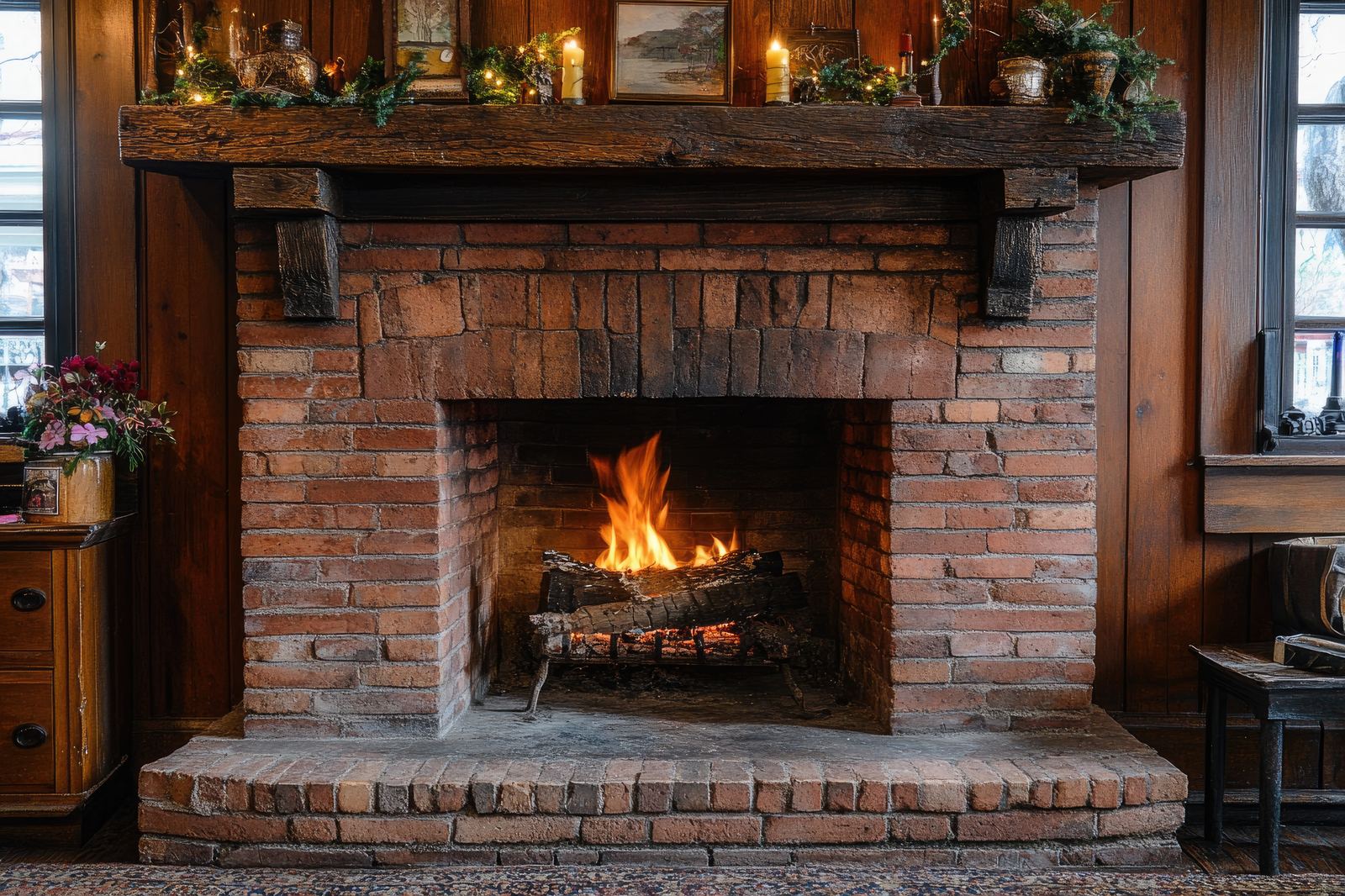
Look closely at the walls. A masonry firebox is built from individual firebrick with visible mortar joints, and the fireplace is usually part of a brick or stone structure. A prefab firebox has large molded panels — often with a brick pattern stamped into them — inside a metal shell, and there's typically a manufacturer's label inside the firebox or behind the screen. The repair approach is completely different for each.

Why does firebox mortar crumble faster than the rest of the chimney?

No other part of the system takes direct flame. The joints are thin, the temperature swings are extreme, and every fire expands and contracts the materials. Even properly done refractory joints wear over years of use, which is why firebox repointing is best thought of as periodic maintenance on a working fireplace rather than a sign something went wrong.

Can I keep using the fireplace until the repair is scheduled?

That depends entirely on what the inspection found, so put the question to the pro who actually saw your firebox. Minor surface crazing often gets a green light with a recheck later. Exposed metal shell behind a panel, loose brick, or open joints usually mean holding off until the repair is done. No one should answer this sight-unseen — including us.

What makes refractory mortar different from regular mortar?

Refractory mortar is formulated to hold its strength under direct flame and repeated high-heat cycling, which ordinary masonry mortar is not designed to survive. Standard mortar in a firebox gradually loses its bond, cracks, and falls out. Building codes and manufacturer listings call for refractory materials in fireboxes, so the product name and its rating are fair things to ask for in writing.

Is there firebox repair near me?

Yes — call (888) 650-3035 and ChimneyBeacon connects you with an independent certified chimney professional handling firebox repair in your area. The referral is free; the local pro schedules and prices the work directly with you.

What does firebox repair cost?

Honest answer: it depends on what a professional actually finds — access, condition, materials, and scope move every quote. Any firm number invented before someone has seen your chimney is marketing, not pricing. The certified pro quotes after looking, in writing, and our referral adds nothing to it.

Is cheap firebox repair worth it?

Sometimes a low quote is a lean, honest operator — and sometimes it's a teaser that grows an 'emergency' once the crew is on your roof. Judge the quote by what it documents, not what it totals: photos, scope, and materials in writing beat a low number with none of the three.

Is the professional certified and insured?

The pros in our network are independent businesses, and the credentials — CSIA certification, insurance, licensing where applicable — are theirs. Ask directly; good pros expect it and answer without flinching. Our CSIA guide explains exactly what the certification covers and why it matters.

Need firebox repair?

One free call connects you with an independent certified chimney professional in your area.

Call (888) 650-3035 — Free Referral
📞 Call a Chimney Pro — (888) 650-3035