Call (888) 650-3035
HomeServicesCreosote Removal (All Stages)
Free referral · All 17 states

Creosote Removal (All Stages) — Done by a Certified Local Pro

Creosote removal clears the combustible residue wood smoke leaves inside a flue. Stages one and two brush or scrape out; stage three glaze requires specialized treatment, since no brush can remove it. NFPA 211 calls for annual inspection. One free call to (888) 650-3035 connects you with a certified local sweep.

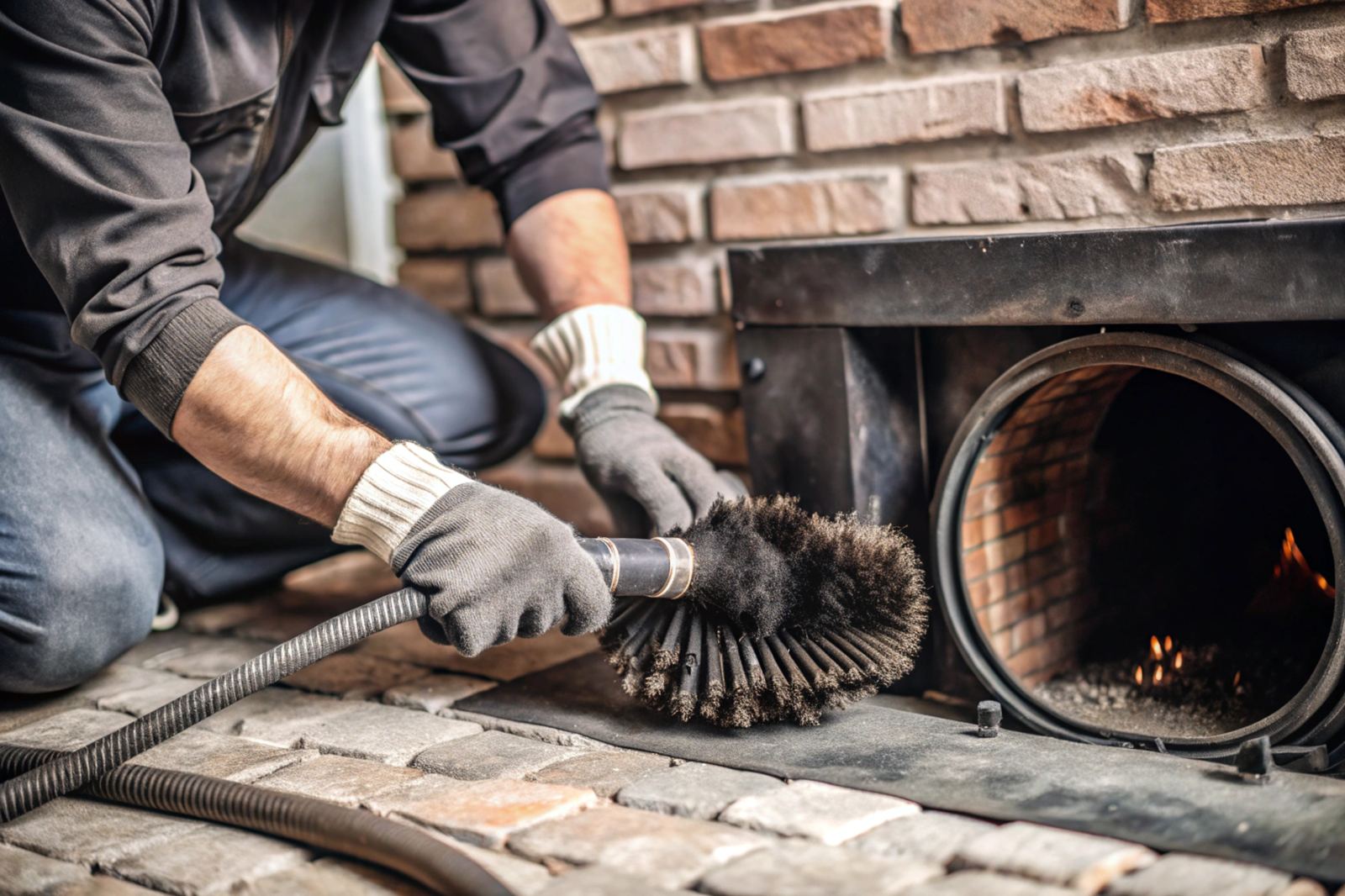
Mechanical sweeping with containment

How is creosote actually removed from a chimney?

The method depends on the stage, so the job starts by identifying what is in your flue. Stage one is dry, sooty, and flaky; stage two is harder, shinier tar flakes; stage three is a dense glaze that has melted and re-hardened onto the flue walls. For stages one and two, the process is mechanical: the pro seals the fireplace opening, runs a HEPA-filtered vacuum for dust control, and works rod-driven brushes through the flue — poly bristles for light soot, flat wire brushes or scrapers for stage two — from the top down or bottom up depending on access. The smoke chamber and smoke shelf get hand attention, since debris collects there and standard flue brushes miss them.

Stage three is a different animal, and honest pros say so plainly: glazed creosote cannot be brushed out. Removal relies on chemical modifiers — professional-grade powders or sprays applied to the glaze, sometimes over several visits or burn cycles — that break it down into a brushable ash, or on mechanical rotary systems run carefully to avoid damaging the liner. Expect a conversation about why glaze formed at all, because it points to a cause: smoldering fires, unseasoned wood, an oversized flue, or a cold exterior chimney. Good documentation includes before-and-after photos or video, the stage identified in writing, the treatment used, and a follow-up plan — because removing glaze without fixing its cause just schedules the next round.

How do you know when creosote actually needs professional removal?

Let the inspection decide, not the calendar alone and not a sales pitch. NFPA 211, the national standard for chimneys and venting, calls for an inspection at least once a year, and sweeping happens when the inspection finds enough buildup to matter — a common industry benchmark is roughly an eighth of an inch of accumulation, or any amount of glaze. How fast you get there depends on how you burn: seasoned dry hardwood and hot, active fires produce far less creosote than smoldering overnight burns or green wood. A homeowner who burns a cord or more each winter will usually need annual sweeping; an occasional-fire household may not. What does not substitute for removal is a creosote sweeping log — those can help condition deposits but do not clean a flue.

How this goes wrong — including the upsell to watch for

The instant stage-three diagnosis

Because glaze legitimately requires more work, 'you have stage three' is a favorite upgrade pitch — sometimes delivered before a camera ever goes down the flue. Real glaze is visually unmistakable: shiny, hardened, often drip-shaped deposits bonded to the walls. Ask to see photos or video of your flue showing the glaze itself, and ask why a standard mechanical sweep will not work. If the evidence is a flashlight glance and a grave tone, get a second look.

Brushing glaze and calling it clean

The opposite failure is just as real: running a brush past stage-three glaze, removing the loose surface, and declaring the flue swept. The glaze — the most combustible deposit — stays bonded to the walls, and aggressive wire brushing against it can chip clay tiles without removing much. If glaze was identified, the invoice should show a glaze-specific treatment, not a standard sweep, and after-photos should show flue walls, not just a tidy firebox.

The fifteen-minute sweep

A thorough sweep covers the flue, the smoke chamber, and the smoke shelf — and the last two are the awkward, time-consuming parts where creosote concentrates. Cut-rate crews sometimes run a brush up the flue, skip the chamber and shelf entirely, and move on to the next stop. A legitimate sweep takes time, uses dust control, and ends with the pro showing you what came out and what the flue looks like now.

Call promptly if you see these

!Flakes of black, shiny material dropping into the firebox.!A strong tar or smoky odor from the fireplace, especially in humid weather.!Smoke drafting poorly or backing into the room when it never used to.!Signs of a past flue fire, such as puffy, honeycomb-textured deposits.!Visible buildup coating the damper or upper firebox that smears when touched.

These are call-a-professional signs, not panic signs. Stop using the fireplace until it's been looked at, and describe what you're seeing when you call.

Creosote Removal (All Stages): the questions that matter

What are the three stages of creosote?

Stage one is loose, dusty soot that brushes out easily. Stage two is dry, crunchy tar flakes with a shine — harder, but still removable with stiff brushes and scrapers. Stage three is glaze: creosote that has melted and re-hardened into a dense, slick coating bonded to the flue. Each stage is more combustible and harder to remove than the last, which is why catching it early is the whole game.

Do creosote sweeping logs actually work?

They do something, but not what the packaging implies. The additives can dry out and loosen certain deposits, making a later mechanical sweep more effective. What they cannot do is remove creosote from the flue — the loosened material stays in the chimney until someone physically cleans it out, and they do nothing for the smoke shelf. Treat them as a supplement between professional cleanings, never a replacement.

What causes stage-three glaze in the first place?

Glaze forms when smoke condenses on flue walls faster than the deposits can dry — usually from smoldering low-air fires, unseasoned wood, an oversized or uninsulated exterior flue that stays cold, or a stove damped down overnight. That is why a good pro talks about burning habits after removing glaze: unless the cause changes, the glaze comes back. Dry wood and hot, active fires are the core prevention.

How messy is professional creosote removal?

Far less than people fear. A professional sweep seals the fireplace opening, lays drop cloths, and runs a HEPA-filtered vacuum the entire time, so dust stays contained rather than drifting through the room. When the work is done right, the only evidence is what the pro shows you: the debris removed and photos of the cleaned flue. If a sweep shows up without dust control, that says plenty.

Is there creosote removal (all stages) near me?

Yes — call (888) 650-3035 and ChimneyBeacon connects you with an independent certified chimney professional handling creosote removal (all stages) in your area. The referral is free; the local pro schedules and prices the work directly with you.

What does creosote removal (all stages) cost?

Honest answer: it depends on what a professional actually finds — access, condition, materials, and scope move every quote. Any firm number invented before someone has seen your chimney is marketing, not pricing. The certified pro quotes after looking, in writing, and our referral adds nothing to it.

Is cheap creosote removal (all stages) worth it?

Sometimes a low quote is a lean, honest operator — and sometimes it's a teaser that grows an 'emergency' once the crew is on your roof. Judge the quote by what it documents, not what it totals: photos, scope, and materials in writing beat a low number with none of the three.

Is the professional certified and insured?

The pros in our network are independent businesses, and the credentials — CSIA certification, insurance, licensing where applicable — are theirs. Ask directly; good pros expect it and answer without flinching. Our CSIA guide explains exactly what the certification covers and why it matters.

Need creosote removal (all stages)?

One free call connects you with an independent certified chimney professional in your area.

Call (888) 650-3035 — Free Referral
📞 Call a Chimney Pro — (888) 650-3035