Call (888) 650-3035
HomeServicesChimney Caps & Animal Prevention
Free referral · All 17 states

Chimney Caps & Animal Prevention — Done by a Certified Local Pro

A chimney cap is the vented metal cover that keeps rain, downdrafts, and animals out of an open flue while letting smoke exit freely. Installation means measuring the flue, matching the right style and metal, and securing it properly. One free call to (888) 650-3035 connects you with a certified local pro.

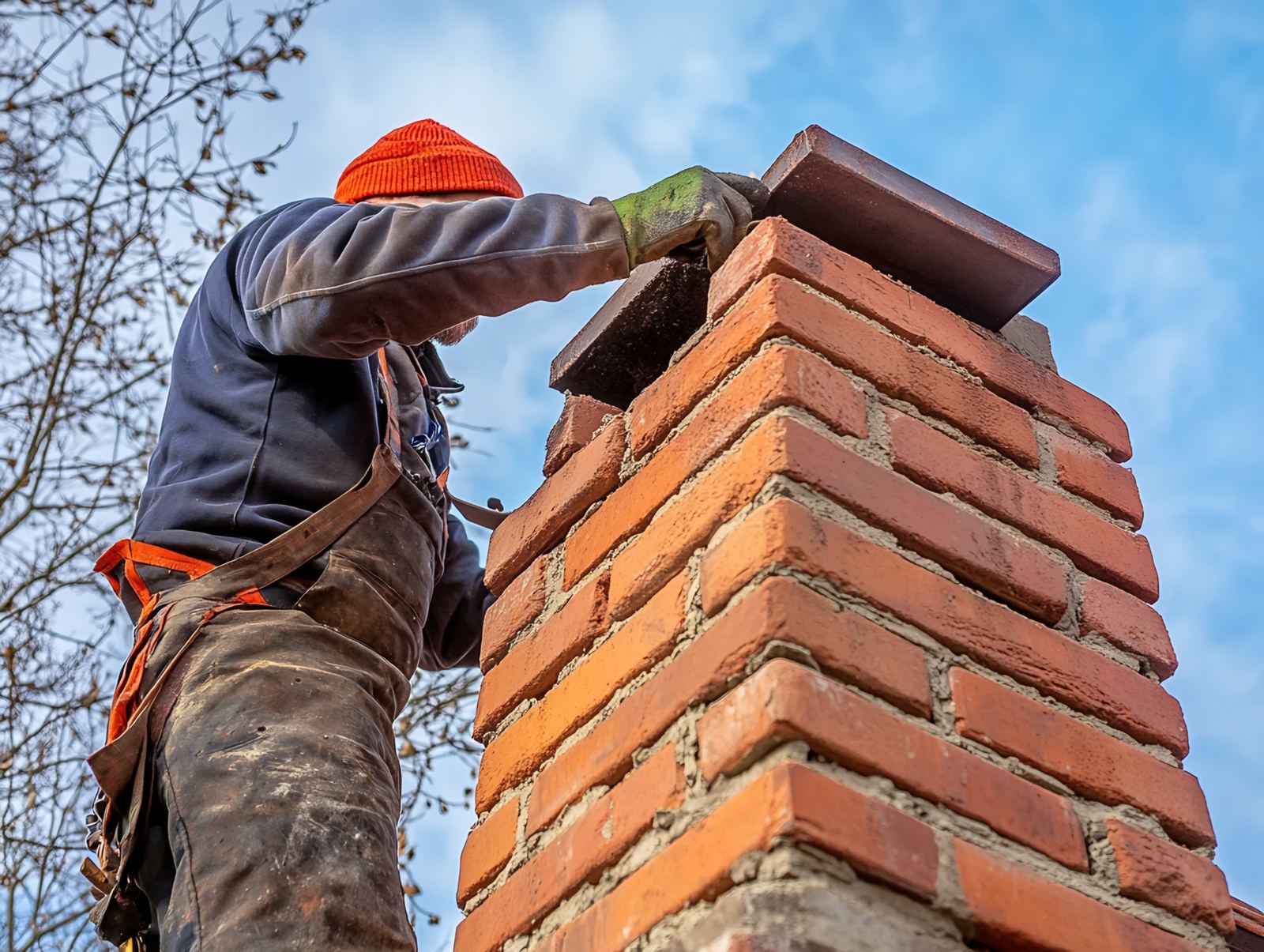
A properly sized cap going on

How does chimney cap installation actually work?

It starts with measurements, because caps are not one-size-fits-all. The pro measures the flue tile's outside dimensions — or the whole crown, for a multi-flue cap — and checks what kind of appliance vents through it, since wood, gas, and oil flues have different requirements. Material matters: stainless steel and copper last decades, while lightweight galvanized caps tend to rust out. The mesh sides do double duty as a spark arrestor and an animal barrier, and mesh opening size is a real specification: too coarse lets small animals in, too fine can clog with creosote in wood-burning flues or trap freezing rain in cold climates.

Installation itself is straightforward when done right: single-flue caps clamp or screw to the flue tile, and multi-flue caps anchor into the crown with masonry fasteners, with enough height above the flue that draft is not restricted. One step matters before any cap goes on: confirming nothing is living in the flue. Chimney swifts are federally protected under the Migratory Bird Treaty Act, so an active nest cannot be removed — capping waits until the birds leave on their own, usually by early fall. Raccoons and other animals call for a licensed wildlife operator, never smoke or fire. Expect photos of the finished cap, the product and metal specified in writing, and any manufacturer warranty passed along to you.

Do you actually need a chimney cap, and which kind?

If your flue is open to the sky, a cap is one of the few chimney purchases that is close to universally worthwhile: it keeps out rain that rusts dampers and erodes flue joints, blocks animals, and arrests stray sparks. The real decision is which cap. A single stainless cap fits most chimneys; multiple flues close together often do better under one multi-flue unit; and a chimney with a history of downdrafts may need a specialty design, which is a diagnosis to make on-site, not from a catalog. If your damper is also failing, a top-sealing damper with a built-in cap can solve two problems at once. Where honesty matters most: an existing stainless cap in good condition rarely needs replacing just because someone is on the roof.

How this goes wrong — including the upsell to watch for

Wrong size, choked draft

A cap that sits too low over the flue or is undersized for the opening restricts draft, and the first symptom is smoke backing into the room. Mesh that is too fine for a wood-burning flue clogs with creosote and does the same thing gradually. If your fireplace started smoking right after a new cap went on, the cap is the first suspect. Correct sizing is measured, not eyeballed from the ground.

Sealing animals inside

Capping a flue without checking it first can trap an animal — or a litter — inside, which is inhumane and creates a blockage and odor problem you will discover later. Chimney swifts are federally protected and their active nests must be left until the young fledge; a responsible pro schedules capping around them. Raccoons need a licensed wildlife operator. Any suggestion to smoke animals out is a hard stop; it is cruel and a fire risk.

The drive-by replacement pitch

A classic pattern: someone working a nearby roof announces your cap is 'missing' or 'shot' and offers to fix it on the spot. Sometimes it is true; often it is not, and cheap galvanized replacements rust within a few seasons, setting up the next sale. Before agreeing, ask for a photo of your actual cap from your actual roof, the replacement's material in writing, and a day to compare. A fair pro expects those questions.

Call promptly if you see these

!Scratching, chirping, or fluttering sounds coming from the flue.!Rain audibly dripping into the firebox or onto the damper.!A cap visibly missing, tilted, or dented after a storm.!Nesting debris, twigs, or feathers dropping into the fireplace.!Smoke backing into the room after a cap was recently installed.

These are call-a-professional signs, not panic signs. Stop using the fireplace until it's been looked at, and describe what you're seeing when you call.

Chimney Caps & Animal Prevention: the questions that matter

There are birds in my chimney right now — what happens?

If it sounds like chattering that surges when you open the damper, they are likely chimney swifts, which are federally protected — the nest stays until the young fly out on their own, typically within a few weeks. Keep the damper closed, skip the fires, and once the flue is empty a pro can clean out the nest material and install a cap so it does not repeat next spring.

Can a raccoon really get into a chimney, and what happens then?

Yes — an uncapped masonry flue is a near-perfect den, and a mother raccoon will often settle on the smoke shelf with kits in spring. Removal is a job for a licensed wildlife operator using humane methods, not for smoke, poison, or a lit fire, which are dangerous and cruel. Once the animals are confirmed gone, the pro sweeps the flue and installs a cap to close the door for good.

What is the difference between a chimney cap and a chase cover?

A cap covers a single flue opening. A chase cover is the flat sheet-metal lid that spans the entire top of a framed, sided chimney chase — the kind common with factory-built fireplaces — with the cap or termination mounted above it. Masonry chimneys have crowns and caps; framed chases have chase covers and caps. Which you need depends on how your chimney is built, and a pro can tell at a glance.

Do gas fireplace flues need caps too?

Yes. Rain and animals do not care what fuel you burn, and moisture is especially hard on the metal liners and dampers gas systems rely on. The difference is that gas venting often requires a listed termination cap matched to the vent system rather than a generic masonry cap, so the right part depends on your setup. The pro will identify the vent type before recommending anything.

Is there chimney caps & animal prevention near me?

Yes — call (888) 650-3035 and ChimneyBeacon connects you with an independent certified chimney professional handling chimney caps & animal prevention in your area. The referral is free; the local pro schedules and prices the work directly with you.

What does chimney caps & animal prevention cost?

Honest answer: it depends on what a professional actually finds — access, condition, materials, and scope move every quote. Any firm number invented before someone has seen your chimney is marketing, not pricing. The certified pro quotes after looking, in writing, and our referral adds nothing to it.

Is cheap chimney caps & animal prevention worth it?

Sometimes a low quote is a lean, honest operator — and sometimes it's a teaser that grows an 'emergency' once the crew is on your roof. Judge the quote by what it documents, not what it totals: photos, scope, and materials in writing beat a low number with none of the three.

Is the professional certified and insured?

The pros in our network are independent businesses, and the credentials — CSIA certification, insurance, licensing where applicable — are theirs. Ask directly; good pros expect it and answer without flinching. Our CSIA guide explains exactly what the certification covers and why it matters.

Need chimney caps & animal prevention?

One free call connects you with an independent certified chimney professional in your area.

Call (888) 650-3035 — Free Referral
📞 Call a Chimney Pro — (888) 650-3035