A chase cover is the sheet-metal lid sealing the top of a framed chimney chase, common with factory-built fireplaces. Replacement means measuring precisely, fabricating a stainless or aluminum cover with proper cross-break and drip edges, and installing it watertight. One free call to (888) 650-3035 connects you with a certified local pro.
Most replacements start the same way: rust. Builders often topped chases with plain galvanized steel, which corrodes, pools water, and eventually rusts through — the telltale sign is orange streaking down the siding. The pro measures the chase precisely: length, width, skirt height, and the exact location and diameter of each flue pipe penetration, because chase covers are fabricated to fit, not bought off a shelf. The replacement is typically stainless steel — aluminum or copper are options — bent with a cross-break, a subtle crease that pitches water toward the edges instead of letting it pond, and formed with a skirt that overlaps the chase sides and hemmed drip edges that kick water clear of the siding.
On installation day, the old cover comes off and the pro gets a look at what matters most: the wood framing and the top of the fireplace flue underneath. If water has been getting in for a while, rotted framing gets flagged — with photos — before the new cover hides it again. The new cover is set with the flue pipe passing through a raised collar, sealed with high-temperature sealant and a storm collar so water cannot follow the pipe down. Fasteners go through the skirt sides, not the flat top, since every top penetration is a future leak. The cap or termination goes back on, and you should receive photos of the framing, the finished cover, and the metal specified in writing.
The quickest replacement is another galvanized cover, and it fails the same way the original did — often faster, because installers rarely treat the cut edges where corrosion starts. If a quote does not name the metal, assume galvanized. Stainless steel turns a recurring repair into a one-time fix, and many fabricators warranty stainless covers for as long as you own the home. Get the material and gauge in writing before work starts.
A chase cover with no cross-break ponds water in the middle, and standing water finds every seam and screw. Fasteners driven through the flat top — instead of the side skirt — are guaranteed future leaks, sealant or not. These are fabrication and installation details you cannot see from the ground, so ask directly: will the cover have a cross-break or pitch, and where will the fasteners go? A pro doing it right answers instantly.
Rust streaks on siding sometimes get spun into 'your whole chase is rotten and the fireplace is unsafe' before anyone has removed the old cover to look. Real framing rot happens and deserves attention, but the claim should come with photos of actual wood, taken with the cover off, not a verdict from the driveway. If the story escalates without evidence, get a second opinion. Streaks prove the cover failed — nothing more, until someone looks.
These are call-a-professional signs, not panic signs. Stop using the fireplace until it's been looked at, and describe what you're seeing when you call.
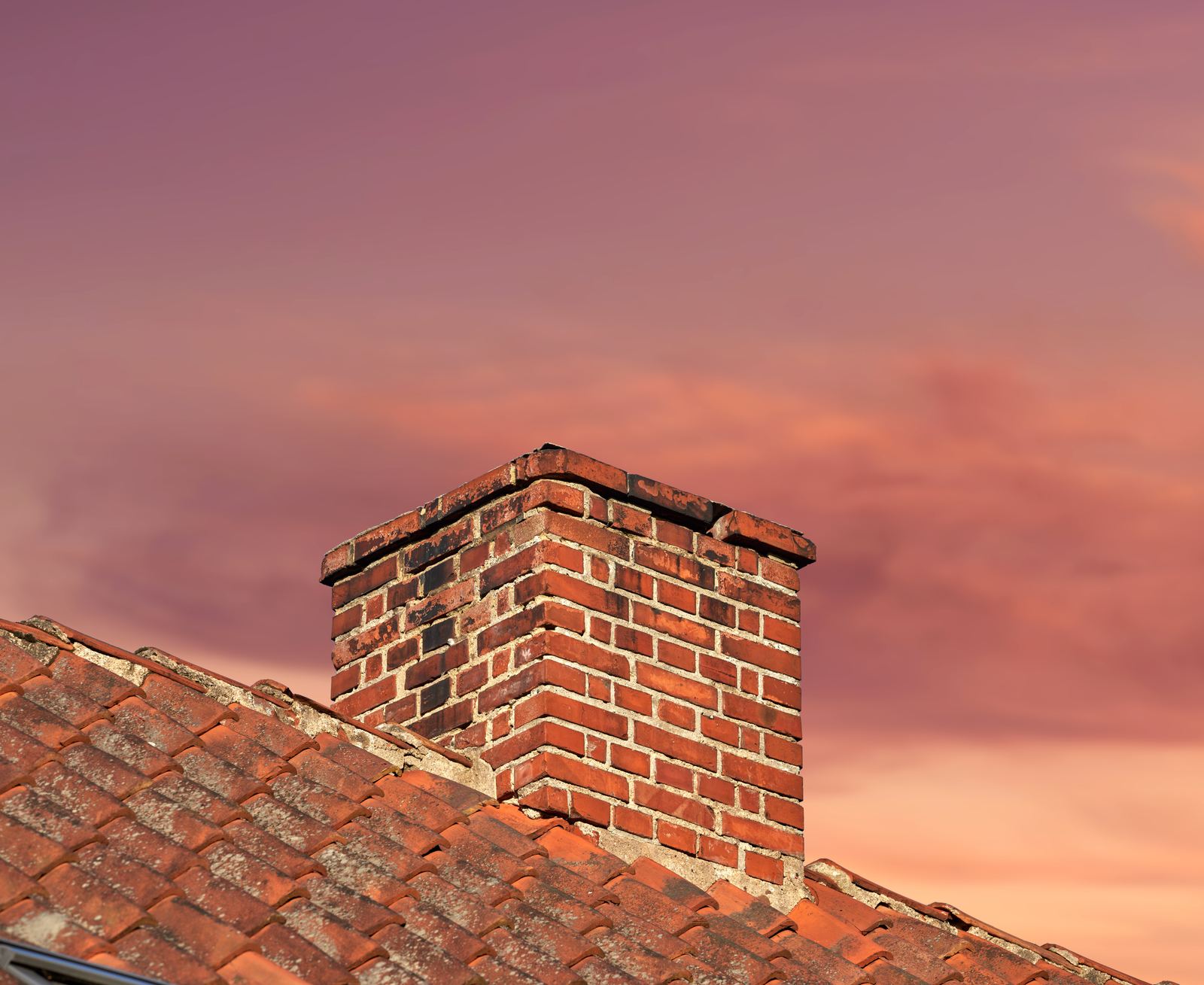
Look at the chimney itself. If it is brick or stone masonry, the top is finished with a concrete crown. If it is a framed box covered in the same siding, stucco, or panels as your house — typical with factory-built fireplaces — it is a chase, and it is topped with a metal chase cover. From the ground, the material of the chimney walls is the giveaway.
Because most were never meant to last. Builders commonly installed flat galvanized covers as an inexpensive finishing detail, and flat metal holds standing water while the galvanizing slowly sacrifices itself. Add screws through the top and untreated cut edges, and rust-through within a decade or two is the normal life cycle. A properly fabricated stainless replacement with a pitched top removes every one of those failure points.
On light surface rust, cleaning and a rust-inhibiting coating can be a legitimate stopgap, and a fair pro will offer it when it makes sense. Sealant smeared over rust-through holes or failed collar seals is a different story — it peels under sun and thermal cycling, usually within a couple of seasons, while water keeps finding the framing. Think of coatings as scheduling flexibility, not a fix.
Usually two visits. The first is measurement — a chase cover is custom-fabricated to your chase's exact dimensions and flue location, so precision here decides everything. Fabrication typically takes days to a couple of weeks depending on the shop. The installation visit itself is generally a matter of hours: old cover off, framing checked, new cover set and sealed, cap reinstalled. Weather and roof access are the usual variables.
Yes — call (888) 650-3035 and ChimneyBeacon connects you with an independent certified chimney professional handling chase cover replacement in your area. The referral is free; the local pro schedules and prices the work directly with you.
Honest answer: it depends on what a professional actually finds — access, condition, materials, and scope move every quote. Any firm number invented before someone has seen your chimney is marketing, not pricing. The certified pro quotes after looking, in writing, and our referral adds nothing to it.
Sometimes a low quote is a lean, honest operator — and sometimes it's a teaser that grows an 'emergency' once the crew is on your roof. Judge the quote by what it documents, not what it totals: photos, scope, and materials in writing beat a low number with none of the three.
The pros in our network are independent businesses, and the credentials — CSIA certification, insurance, licensing where applicable — are theirs. Ask directly; good pros expect it and answer without flinching. Our CSIA guide explains exactly what the certification covers and why it matters.
One free call connects you with an independent certified chimney professional in your area.
Call (888) 650-3035 — Free Referral